
Direct answer: choose EPDM as the first material to review for outdoor weather, ozone, water and many steam-related applications. Choose NBR as the first material to review for mineral oils, greases, fuels and hydraulic-fluid exposure. Neither material is universally better.
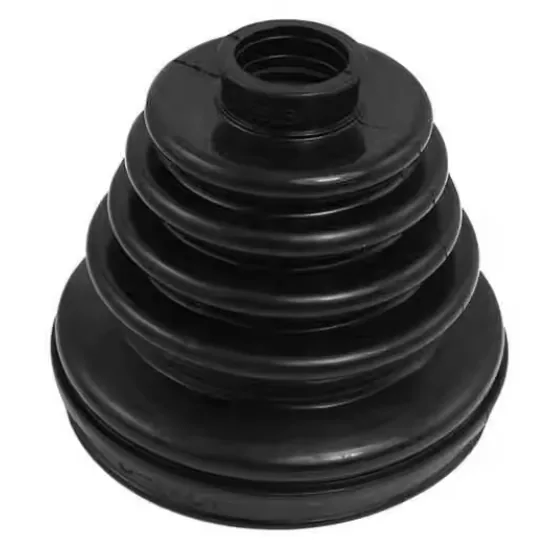
EPDM vs NBR at a glance
| Selection factor | EPDM | NBR | Buyer decision |
|---|---|---|---|
| Outdoor weather and ozone | Commonly a strong choice | Usually less preferred for long outdoor exposure | Start with EPDM |
| Water and many aqueous services | Commonly reviewed | Application-specific | Check temperature and additives |
| Mineral oil and grease | Generally not recommended | Commonly a strong choice | Start with NBR |
| Fuel and hydrocarbons | Generally not recommended | Commonly reviewed | Send exact fluid and temperature |
| Steam or hot water | Often reviewed by compound and conditions | Limited and compound-dependent | Define continuous temperature and pressure |
| Cost direction | Usually economical | Usually economical | Compare total service risk, not material price alone |
When EPDM is the better starting point
EPDM is widely used where a gasket faces sunlight, ozone, rain, water, weather cycling or selected hot-water and steam conditions. Typical buyer inquiries include outdoor enclosures, water-system seals, dust covers, pipe seals and protective molded parts.
EPDM should not be selected only because the part is outdoors. If petroleum oil, fuel or grease can contact the seal, the complete exposure has to be reviewed first.
When NBR is the better starting point
NBR, also called nitrile rubber, is a common industrial sealing material for mineral oils, greases, many hydraulic fluids and hydrocarbon-related service. It is often considered for machinery gaskets, oil-contact seals, hose-coupling gaskets and equipment parts.
NBR performance changes with compound formulation, including acrylonitrile content. A buyer should therefore specify the fluid and operating conditions instead of requesting "standard black nitrile" without context.
Five questions that decide EPDM or NBR
- What touches the gasket? Name the exact oil, fuel, coolant, detergent, water treatment or chemical.
- What temperatures occur? Provide continuous, peak and low-temperature conditions.
- Is the part outdoors? Include sunlight, ozone, rain and storage exposure.
- How is it loaded? State pressure, compression, movement, abrasion and assembly frequency.
- What must be controlled? Define hardness, dimensions, tolerances, appearance and inspection needs.
RFQ checklist for an accurate material review
EPDM vs NBR FAQ
Is EPDM or NBR better for outdoor gaskets?
EPDM is usually the stronger starting point for weather and ozone exposure, as long as petroleum oils or fuels are not present.
Is NBR waterproof?
NBR can seal water in selected applications, but water exposure alone does not make it the best choice. Temperature, additives, weather and oil contact all affect selection.
Can both materials be molded to the same drawing?
Often yes, but shrinkage, tooling behavior and tolerances can vary by compound. Material changes should be reviewed before production rather than treated as a simple substitution.
Technical reference: Trelleborg Sealing Solutions elastomer compatibility overview. Final compatibility depends on the full service conditions and compound.