
Direct answer: common truck exhaust gasket failure symptoms include black soot near the joint, ticking or hissing that changes with engine speed or load, exhaust odor, loose clamps or bolts, and visible damage around the sealing interface. Confirm the exact leak source before replacing the gasket.
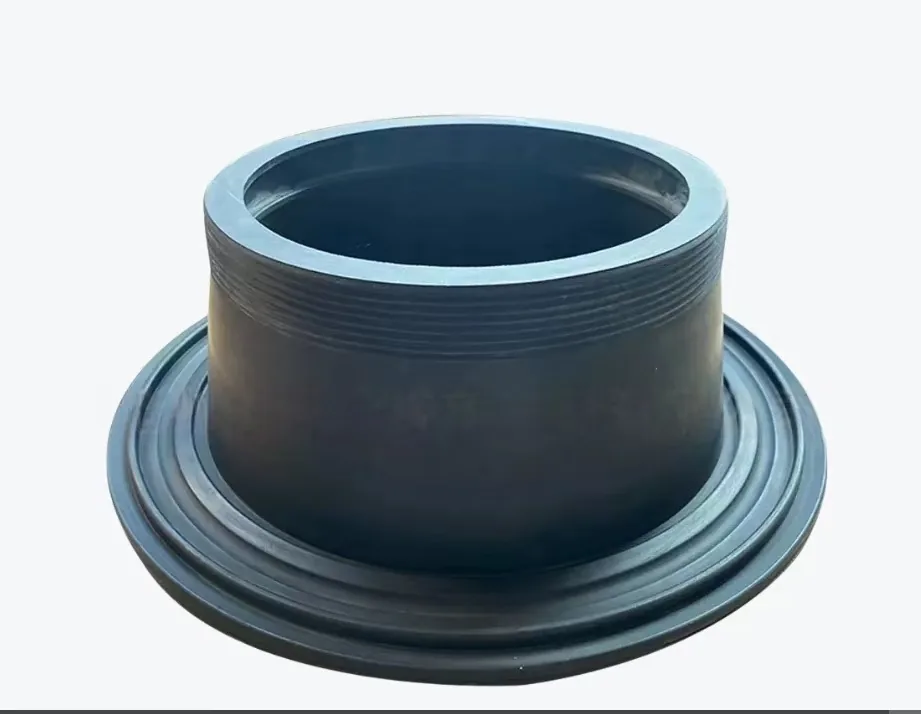
Six symptoms worth documenting
| Symptom | What it may indicate | Evidence to collect |
|---|---|---|
| Black soot around a joint | Exhaust gas has escaped nearby, but the source may be upstream. | Wide and close photos before cleaning |
| Ticking or hissing | A small gap may pulse with engine speed, load or exhaust brake use. | When the noise occurs and which joint is nearest |
| Exhaust odor | Gas may be entering an area where it should not be present. | Operating condition and inspection by qualified service personnel |
| Loose clamp or bolts | The joint may have lost load or moved out of alignment. | Clamp type, fastener condition and flange photos |
| Repeated failure | Wrong gasket profile, warped flange, pipe stress or clamp mismatch may remain. | Old gasket, replacement history and assembly measurements |
| Visible gap or damaged edge | The gasket may be off-center, crushed, missing or unsuitable for the joint. | Installed and removed-part photos |
Why soot is useful but not conclusive
Detroit Diesel service information notes that exhaust soot can collect on cooler surfaces and can be projected from the actual source onto another area. A soot trail is valuable evidence, but replacing the nearest gasket without tracing the joint can miss a crack, loose clamp or upstream leak.
Document the area before cleaning. After the source is confirmed by the approved service procedure, inspect the mating surfaces, clamp, pipe alignment and old gasket together.
Gasket failure or joint failure?
A gasket seals between other components. If those components are damaged or incorrectly loaded, a new gasket may fail again. Check for:
- Warped, pitted or contaminated flange faces
- Incorrect V-band, lap-joint, butt-joint or flange clamp
- Pipe misalignment that pulls the joint sideways
- Missing, loose or unevenly loaded fasteners
- Cracks near welds, flex sections or aftertreatment connections
- Wrong gasket inside diameter, width, thickness or sealing profile
What to measure before ordering
Do not rely only on truck model or a photo of the old gasket. Exhaust systems may have different joint revisions. Use the old gasket, pipe and clamp or flange measurements together.
When a custom exhaust gasket quote makes sense
A custom review is useful when the original part number is unavailable, the joint has a nonstandard profile, fleets need repeat supply, the old gasket can be measured, or a drawing and application data are available. The quote should identify the dimensions, material direction, sample status and any tooling requirement.
Truck exhaust gasket symptom FAQ
Does a ticking sound always mean a gasket leak?
No. A gasket gap is one possibility, but cracks, loose hardware and other exhaust joints can produce similar noise. Confirm the source before ordering parts.
Can the old gasket be used for matching?
Yes, if it is supplied with joint photos and measurements. A distorted old gasket should not be the only dimensional reference.
Why does a replacement gasket fail again?
Common reasons include damaged mating surfaces, clamp mismatch, incorrect dimensions, uneven loading, pipe stress or a material that does not fit the temperature and joint design.
Technical reference: Detroit Diesel symptom diagnostics for exhaust leaks. Always follow the applicable vehicle and engine service procedures.